
Reviewed · COOKING CLASSES
Vegetarian Cooking Class @Teta Marjeta
Come hungry, leave with recipes. This two-and-a-half-hour home cooking class takes you from Cerciz Topulli Square into Gjirokaster’s old Pazar i Vjeter neighborhood, where Marjeta welcomes you into her home and teaches three local vegetarian dishes. I like the personal setting and the chance to cook food tied closely to Gjirokaster’s traditions. I also like that lunch, a drink, and written recipes are included.
The main consideration is communication. Marjeta does not speak English, so an English translator joins the class. That worked well for previous participants, but the experience depends on translation rather than direct conversation with the cook. At $56.59 per person, this is not a bargain meal, yet the price covers instruction, food, drinks, a home visit, and a small cultural experience that is hard to copy in a restaurant.
In This Review
- Key points to know before booking
- Walking from Cerciz Topulli Square to Pazar i Vjeter
- Entering Teta Marjeta’s home
- Cooking three dishes from Gjirokaster
- Qofte bobollaqe
- Qifqi
- Hasude
- A seasonal salad and a drink with lunch
- Why the translator matters
- The setting, photographs, and personal touch
- Is $56.59 a fair price?
- Who will enjoy this class most?
- Booking and timing advice
- Should you book the Vegetarian Cooking Class at Teta Marjeta?
- FAQ
- Where does the Vegetarian Cooking Class at Teta Marjeta take place?
- Where is the meeting point?
- How long does the class last?
- What dishes will I prepare?
- Is the menu vegetarian?
- Is the class available in English?
- Does the price include lunch?
- Is a drink included?
- How large is the group?
- Can I cancel for a full refund?
Key points to know before booking
- You cook in Marjeta’s home: This is a home-based experience in the old Pazar i Vjeter neighborhood, not a standard restaurant class.
- Three Gjirokaster dishes are on the menu: You prepare qofte bobollaqe, qifqi, and hasude, with a seasonal salad already prepared for you.
- An English translator is present: Marjeta teaches in Albanian, while a translator explains the steps and answers questions.
- Raki comes from the family: You can sip a complimentary drink, including raki produced by Marjeta’s husband.
- The meal is part of the lesson: After cooking, you sit with Marjeta and your guide to eat what you made.
- The group is capped at 10 people: A small group should make it easier to follow the cooking and ask questions.
Walking from Cerciz Topulli Square to Pazar i Vjeter
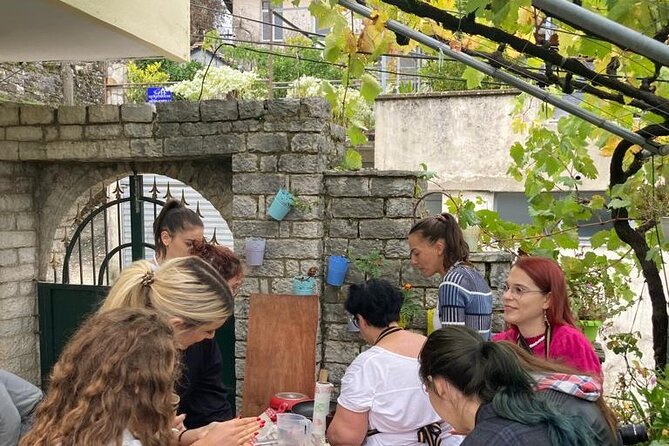
The experience begins at Cerciz Topulli Square, with the listed meeting location on Rruga Gjin Zenebisi in Gjirokaster. From there, you walk toward Pazar i Vjeter, one of the city’s oldest neighborhoods.
That short walk matters. You are not simply being driven to a cooking studio on the edge of town. You begin in the center of Gjirokaster and move into an older part of the city before entering a local home. I like this gentle start because it connects the meal to the streets and setting where the city’s food traditions developed.
The listing gives both Cerciz Topulli Square and the Rruga Gjin Zenebisi address, so I would check the exact meeting instructions after booking. The activity ends back at the meeting point, which makes planning your next stop easier.
The walk is also one reason to allow a little extra time before the start. You will want to locate the meeting point without rushing, especially if you are unfamiliar with Gjirokaster’s streets. The class itself lasts about 2 hours and 30 minutes, and the clock begins with the walk and welcome rather than only the cooking.
A few more ways to spend a day out of Albania
- Cooking Classes and Traditional food tasting in Tirana
★ 5.0 · 282 reviews - Traditional Albanian Cooking Class in Tirana with Raki Tasting
★ 5.0 · 125 reviews - Berat Cooking Class- Traditional Albanian Cooking Class /By Vato
★ 5.0 · 120 reviews
Entering Teta Marjeta’s home
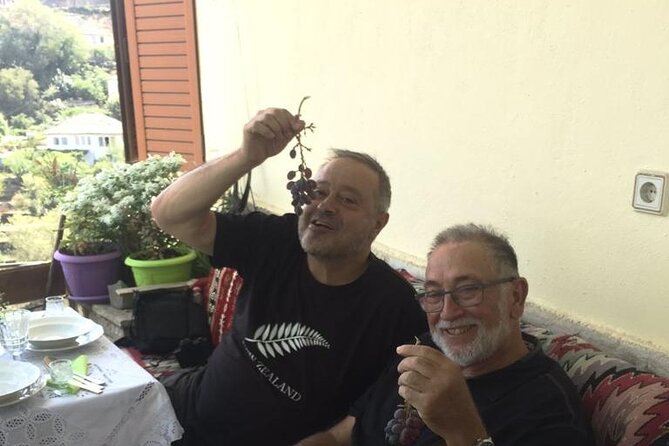
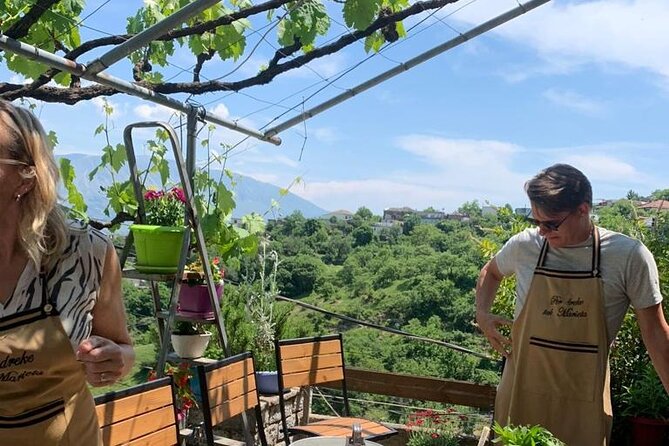
The heart of the experience is the move from public streets into Marjeta’s home. She opens her kitchen to you, introduces her cooking, and guides the preparation of food connected with Gjirokaster.
This setting gives the class its character. You are not watching a chef perform behind a counter. You are working under the direction of a home cook, then sitting down in the same personal setting to eat. Several details make the visit feel warm: a drink of raki made by Marjeta’s husband, a friendly translator, and a meal shared with Marjeta and the guide.
Marjeta herself is a major part of the appeal. She is described as joyful, cheeky, funny, and full of personality. Even without English, her manner comes through, and the translator helps carry her instructions and humor across the language gap.
That language arrangement is worth understanding before you book. The class is offered in English, but Marjeta teaches in Albanian. The translator stays with the group, explains what is happening, and answers questions. If you want a quiet, highly structured lesson in which every exchange happens directly in English, this may feel less smooth. If you enjoy seeing how a local cooking lesson works across languages, the arrangement adds to the experience.
Cooking three dishes from Gjirokaster
The class centers on three vegetarian recipes. They are not generic international dishes chosen simply because they are easy to teach. The food is presented as part of Gjirokaster’s own cooking tradition, which gives the lesson more meaning than a standard make-and-eat workshop.
Qofte bobollaqe
The first dish is qofte bobollaqe, made mainly with yogurt. The name may suggest a familiar meatball-style dish to some readers, but this class presents a vegetarian version based on yogurt.
The appeal here is the chance to learn a preparation that may not appear on every restaurant menu. You can ask the translator about the dish as you work, then taste the result at lunch. Since the available information does not list every ingredient or cooking method, you should think of the class as the place to learn the full recipe rather than expect a detailed recipe in advance.
A completely different kind of day out of Albania:
- Hike Gamti Mountain with Bovilla lake view & canyon- From Tirana
★ 5.0 · 1,280 reviews - Day Trip to Saranda and Butrint National Park from Corfu
★ 4.2 · 847 reviews - Berat city UNESCO tour, the Castle & Belshi lake- From Tirana
★ 5.0 · 804 reviews - Walking Tour of Tirana
★ 5.0 · 646 reviews
Qifqi
Next comes qifqi, a Gjirokaster specialty made mainly with rice. It is described as being found only in Gjirokaster, making it the most place-specific dish in the lesson.
This is the recipe I would pay close attention to. A dish tied so closely to one city gives the class a clear sense of place. You are not just preparing something vegetarian. You are learning one of the foods that helps define Gjirokaster’s local table.
The translator is useful here, particularly if the method has several small steps. The available details do not specify the exact technique, ingredients, or equipment, so you should listen carefully and ask questions while the dish is being prepared. The written recipe you receive at the end gives you a way to recreate it at home.
Hasude
Dessert is hasude, completing the menu with a sweet course. The class does not stop after the savory food. You make the dessert as part of the same lesson, then serve it with the rest of the meal.
That three-dish structure gives the experience a proper beginning, middle, and finish. You learn a local yogurt-based dish, a rice dish strongly linked to Gjirokaster, and a dessert. A seasonal salad is already prepared by Marjeta, so you have something fresh on the table without adding another cooking task to the class.
A seasonal salad and a drink with lunch
The sample menu includes a salad of the season, qofte bobollaqe, qifqi, and hasude. Marjeta prepares the salad before you arrive, while you make the other three dishes.
This is a sensible balance. You get hands-on work without spending the full session chopping and assembling every part of the meal. The salad also gives you a fresh accompaniment while the main dishes and dessert take shape.
With lunch, you receive one complimentary drink: wine, raki, or a soft drink. The welcome raki is produced by Marjeta’s husband, adding a family detail to what could otherwise be a simple beverage choice.
If you do not drink alcohol, a soft drink is available. If you do drink, raki is the most connected to the setting, but wine is also offered. The information does not specify the quantity or brand, so I would treat the drink as a pleasant inclusion rather than a major part of the value.
Once the cooking is finished, you sit down with the group, your guide, and Marjeta. This shared meal is important. You get to taste the dishes while they are still tied to the story of the lesson, rather than walking away with food packed into a container and no time to talk.
One previous participant also came away with leftovers. That may depend on the portion sizes and group, so do not count on it, but it is a welcome possibility if the meal is generous.
Why the translator matters
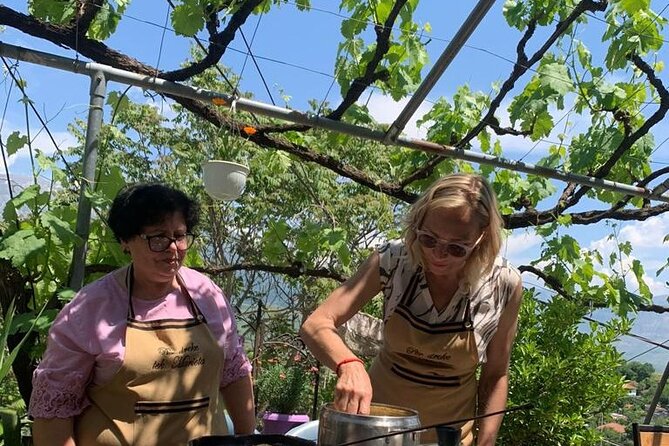
The translator does more than convert cooking instructions. The translator helps you understand Marjeta’s personality, responds to questions, and gives the lesson a clear English thread from beginning to end.
Klarissa is specifically praised for translating between English and Albanian, taking photographs, and helping make the session personal. Another participant described having a friendly translator present throughout the class. The translator also helps explain why the dishes matter to Gjirokaster’s history and daily life.
This is one of the strongest practical features for English-speaking visitors. You can ask about ingredients, preparation, and the dishes’ place in local culture instead of simply copying movements in the kitchen.
There is still a small tradeoff. Translation adds a pause between Marjeta’s instruction and your response. It may not feel as fast as a class taught directly in English. But the warm personality of the host appears to come through clearly, and the translator keeps the lesson accessible.
The setting, photographs, and personal touch
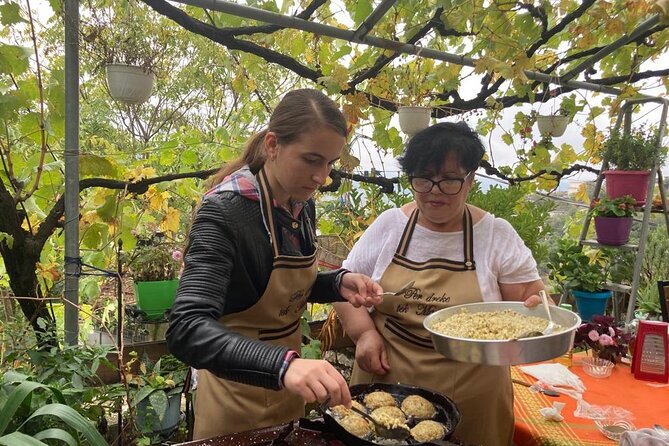
The meal setup is described as cute, and the home setting gives the final lunch a more intimate feel than a regular restaurant table. The experience also includes time for conversation and photographs.
If you are alone, the class can become especially personal. One participant took the class solo and received a dinner, leftovers, and photographs taken by Klarissa. A small group cap of 10 means you are unlikely to be lost in a large crowd, though the actual group size can vary.
The setting may appeal most to people who enjoy personal contact and informal hospitality. It is less suited to someone seeking a polished cooking school with commercial equipment, printed workstations, or a formal chef-led demonstration. Here, the charm comes from Marjeta, her home, her recipes, and the shared table.
The views also add to the experience, according to one account, though no specific viewpoint is promised. It is best to see the scenery as a bonus rather than the main reason to book.
Is $56.59 a fair price?
At $56.59 per person, the class costs more than buying a simple local meal in Gjirokaster. The price makes more sense when you count what is included: about 2 hours and 30 minutes of instruction, three dishes, a seasonal salad, lunch, one wine, raki, or soft drink, a translator, time in a local home, and recipes to take with you.
You are paying for participation, not just food. A restaurant can serve you qifqi, but it will not usually show you how to prepare it, introduce you to the cook who makes it, and send you home with instructions.
The value is strongest if you care about food traditions and personal contact. It is weaker if you mainly want a cheap lunch or already have very little interest in cooking. The meal is included, but the class is the product.
A 4.9 rating from 11 reviews, with 100 percent recommending the experience, points to a very strong record. The sample size is still small, so I would treat those figures as encouraging rather than final proof. The repeated praise centers on the same features: Marjeta’s humor, the translator’s help, the local dishes, the friendly atmosphere, and the meal afterward.
Who will enjoy this class most?
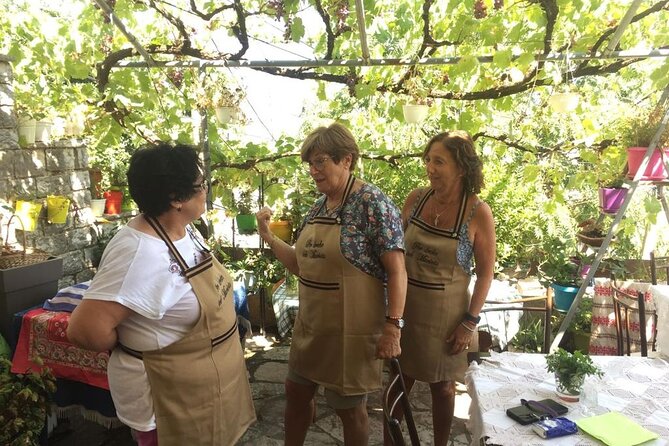
I would recommend it for couples, friends, solo visitors, and anyone who wants a cultural activity with food at its center. It also works well as a surprise activity, since the lesson offers something you can share and remember rather than another sightseeing stop.
Vegetarians have a clear advantage here because the full menu is vegetarian. You do not need to negotiate around a meat-heavy menu or watch others prepare the main dishes while you receive a substitute.
Food-focused visitors will get the most from the class, especially those curious about qifqi and other dishes specific to Gjirokaster. You should also enjoy conversation, informal hospitality, and a home setting.
I would be more cautious if you need a fully English-speaking host, dislike alcohol-centered welcomes, or prefer a strictly timed professional kitchen class. The translator solves the language issue, and wine or a soft drink is available, but the experience is still built around Marjeta’s home style rather than a commercial cooking school.
Booking and timing advice
The class is often booked about six days ahead, so I would reserve several days before your preferred date if your Gjirokaster schedule is tight. Confirmation is provided at booking, and the group can include no more than 10 people.
Free cancellation is available if you cancel at least 24 hours before the start time. Cancellations or changes inside that window are not refunded or accepted. The activity also requires a minimum number of participants, so if it is canceled for that reason, you are offered another date or experience, or a full refund.
Allow time to find the meeting point at Cerciz Topulli Square and walk toward Pazar i Vjeter. Since the activity returns to the starting point, you can arrange another nearby plan afterward, but I would avoid scheduling something immediately after the advertised end time.
Should you book the Vegetarian Cooking Class at Teta Marjeta?
Book it if you want food, conversation, and local character in the same afternoon. The strongest reasons are Marjeta’s lively personality, the English translator, and the chance to prepare qifqi, qofte bobollaqe, and hasude in a real home before eating them together.
Skip it if you want only a low-cost meal or a formal English-language cooking school. At $56.59, the value lies in the host, the instruction, the home setting, and the recipes you take away. For a vegetarian visitor seeking a personal experience in Gjirokaster, that is a fair trade.
FAQ
Where does the Vegetarian Cooking Class at Teta Marjeta take place?
It takes place in Gjirokaster, Albania, in Teta Marjeta’s home in or near the old Pazar i Vjeter neighborhood.
Where is the meeting point?
The experience begins at Cerciz Topulli Square. The listed meeting address is ATM34FR+V28, Rruga Gjin Zenebisi, Gjirokastër, Albania.
How long does the class last?
The activity lasts approximately 2 hours and 30 minutes.
What dishes will I prepare?
You will prepare qofte bobollaqe, qifqi, and hasude. A seasonal salad is prepared for you in advance.
Is the menu vegetarian?
Yes. The cooking class features a vegetarian menu.
Is the class available in English?
Yes. The activity is offered in English through an English translator who explains Marjeta’s Albanian instructions.
Does the price include lunch?
Yes. Lunch is included, consisting of the dishes prepared during the class and the seasonal salad.
Is a drink included?
Yes. You can have one complimentary glass of wine, raki, or a soft drink. The raki is produced by Marjeta’s husband.
How large is the group?
The activity has a maximum of 10 participants.
Can I cancel for a full refund?
Yes, if you cancel at least 24 hours before the experience start time. Cancellations made less than 24 hours in advance are not refunded.
Recently added around Albania
- Apollonia and Berat UNESCO tour from Tirana★ 5.0 · 3 reviews
- Berat 4×4 Off-Road and Vineyard Wine Tasting★ 5.0 · 3 reviews
- Llogara Caesar’s Path,Orikum Park & Marmiroi Church Guided Tour★ 5.0 · 3 reviews
- Vlora Airport Transfers – Via Transfer Albania★ 5.0 · 3 reviews
- Tirana’s Communist Past: A Tasting Tour with Traditional Lunch★ 5.0 · 3 reviews
- Daily tour★ 4.5 · 3 reviews
- Apollonia and Ardenica Monastery – full day tour★ 4.5 · 3 reviews
- Cultural Tour in Tirana including House of Leaves★ 5.0 · 3 reviews
Cooking Classes, compared.
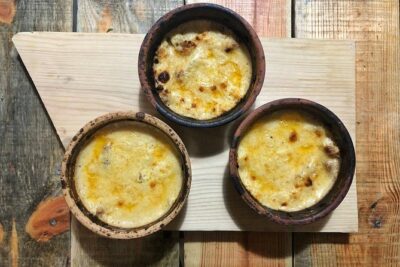
Cooking Classes and Traditional food tasting in Tirana
Read our review →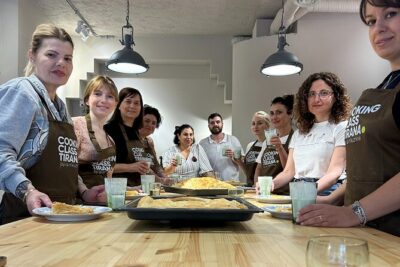
Traditional Albanian Cooking Class in Tirana with Raki Tasting
Read our review →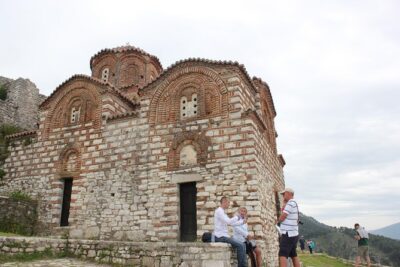
Berat Cooking Class- Traditional Albanian Cooking Class /By Vato
Read our review →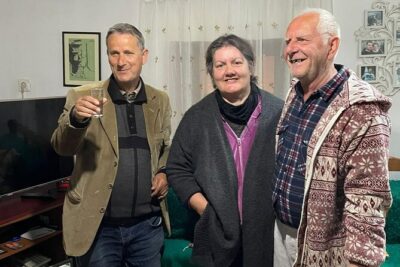
Savor Albanian Cuisine Cooking Class with Mama Nina Berat Castle
Read our review →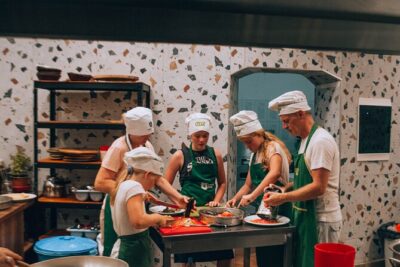
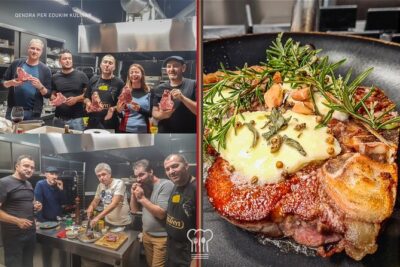
Farm-to-Table Cooking Class with Local Family by 1001 AlbAdv
Read our review →Browse the lists this tour appears in