
Reviewed · COOKING CLASSES
Cooking Class
Gjirokaster tastes best from a family kitchen. This private cooking class turns old local recipes into a hands-on meal, with qifqi rice balls, lamb pasta, dessert, mountain spices, and stories from the town’s food traditions. I like the personal setting and the chance to eat what you prepare. I also like that you leave with written recipes and the food you cooked.
The main caution is organization. The listed address has caused confusion, and some bookings were not known to the hosts when students arrived. The class may also last closer to an hour than two, and the English help can depend on a family member translating.
In This Review
- Key points to know before booking
- Cooking Gjirokaster’s oldest recipes
- Starting in Gjirokaster’s medieval bazaar
- Learning qifqi, Gjirokaster’s rice balls
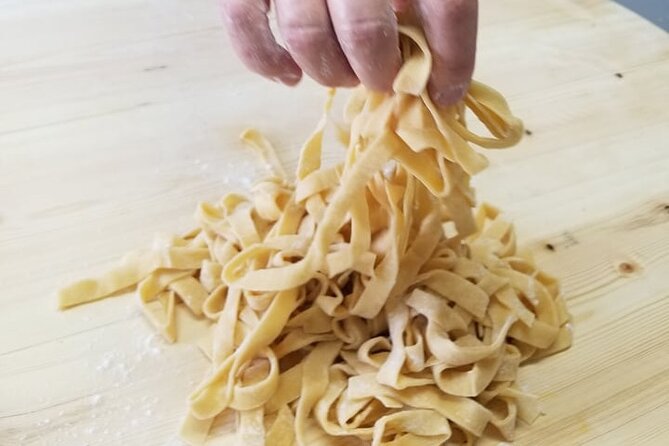
- Making OSA pasta with lamb
- Finishing with Hasude and local drinks
- Eating what you have prepared
- What the two-hour duration really means
- Is $54.19 a fair price?
- Who will enjoy this class most?
- Booking advice for a smoother visit
- Should you book the Gjirokaster cooking class?
- FAQ
- Where does the cooking class begin?
- How long does the cooking class last?
- What dishes will I prepare?
- Do I eat the food I prepare?
- Is the class private?
- Is the class offered in English?
- Are drinks included?
- Can I cancel for a full refund?
Key points to know before booking
- Three traditional dishes: Prepare qifqi, handmade OSA pasta with lamb, and Hasude dessert.
- Private setting: Only your group takes part, so the class can feel personal and relaxed.
- Located in the bazaar: The cooking takes place around Rruga Gjin Shpata, near Edua restaurant in Gjirokaster’s medieval bazaar.
- Food and folklore together: You learn about spices, mountain teas, family customs, and local cooking traditions.
- A meal at the end: You sit down to eat the dishes you have just made.
- Confirm the meeting place: Contact the host before arrival, especially if your schedule is tight.
Cooking Gjirokaster’s oldest recipes
Gjirokaster is a town of stone roofs, steep streets, and old family traditions. Food here carries the same sense of place. This class gives you a practical way to understand the town through its kitchen rather than only through its castle and lanes.
The menu focuses on three local preparations. You begin with qifqi, small rice balls that are closely linked with Gjirokaster cooking. The main course is traditional OSA pasta with lamb meat. Dessert is Hasude, a simple sweet made with starch, butter, and walnuts.
The class is not aimed at professional cooks. It is designed for you to follow along, work with local ingredients, and learn techniques you can repeat at home. The dishes are reported to be manageable, which makes this a good choice if you want a real cooking activity without spending half a day at a kitchen counter.
The hosts also share a family secret ingredient passed down through generations. The exact ingredient is not specified in advance, so part of the fun is discovering it during the class. You also get an introduction to local spices and teas from the surrounding mountains, including their traditional uses and claimed benefits.
A few more ways to spend a day out of Albania
- Cooking Classes and Traditional food tasting in Tirana
★ 5.0 · 282 reviews - Traditional Albanian Cooking Class in Tirana with Raki Tasting
★ 5.0 · 125 reviews - Berat Cooking Class- Traditional Albanian Cooking Class /By Vato
★ 5.0 · 120 reviews
Starting in Gjirokaster’s medieval bazaar
The stated starting point is Rruga Gjin Bshpata in Gjirokaster. The class is described as being in the heart of the medieval bazaar, with the open-door shopfront and a welcoming family atmosphere making it easier to spot once you are nearby.
That said, the meeting details deserve care. The address attached to some bookings has been incorrect, and one participant found the actual location at Edua restaurant. On another occasion, the hosts did not know the booking was coming. I would contact Edua.gjirokaster before the class and confirm the exact door, start time, and reservation.
This matters more in Gjirokaster than it might in a modern city. The bazaar’s old streets can be confusing, and a small address error can turn into a frustrating search. If you have a bus connection, a timed castle visit, or a dinner reservation afterward, allow extra time.
The meeting area is near public transport, and the activity ends at the same place. You do not need to arrange a separate ride to a distant kitchen.
Learning qifqi, Gjirokaster’s rice balls
Qifqi is the most distinctive item on the menu. These rice balls are associated with Gjirokaster and offer a taste of the town’s home cooking rather than a generic Albanian restaurant dish.
You learn the recipe step by step, then prepare the starter yourself. The class places emphasis on technique, not simply watching a chef work. You can expect to handle the ingredients and follow the process under guidance.
This is also where the language arrangement may become noticeable. The experience is offered in English, but one account explains that the main chef did not speak English. A family member helped translate. That did not prevent the cooking from working, since the instructions were also demonstrated by hand, but you should expect a mix of spoken explanation, showing, and copying.
For a cooking class, that hands-on method can work well. You see the texture and shape rather than relying only on a verbal recipe. Still, if you want a highly polished English-language lesson with precise culinary terminology, this may feel informal.
Making OSA pasta with lamb
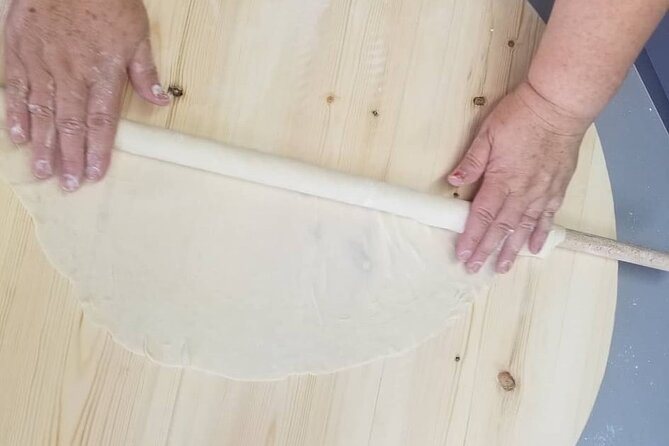
The main dish is traditional OSA pasta served with lamb meat. The pasta is artisanal, and preparing it gives the class its most useful kitchen lesson. You get to see how a local pasta dish is made rather than simply receiving a plate in a restaurant.
One participant specifically found the OSA preparation interesting and praised the teaching method. Another described the dishes as tasty and simple enough to repeat at home. That is a strong point for anyone who wants a cooking class to produce more than a pleasant memory.
The pasta course can also reveal the difference between an intimate family lesson and a formal culinary workshop. Instructions may come as you work, with the teacher leading and you following. If you are eager, you may find yourself moving ahead before every verbal explanation is finished. Slow down, watch carefully, and ask for the next step before rushing.
The lamb makes this more than a plain pasta lesson. It connects the dish to the wider cooking of southern Albania, where meat, handmade dough, butter, and pantry staples appear together in filling family meals.
A completely different kind of day out of Albania:
- Hike Gamti Mountain with Bovilla lake view & canyon- From Tirana
★ 5.0 · 1,280 reviews - Day Trip to Saranda and Butrint National Park from Corfu
★ 4.2 · 847 reviews - Berat city UNESCO tour, the Castle & Belshi lake- From Tirana
★ 5.0 · 804 reviews - Walking Tour of Tirana
★ 5.0 · 646 reviews
Finishing with Hasude and local drinks
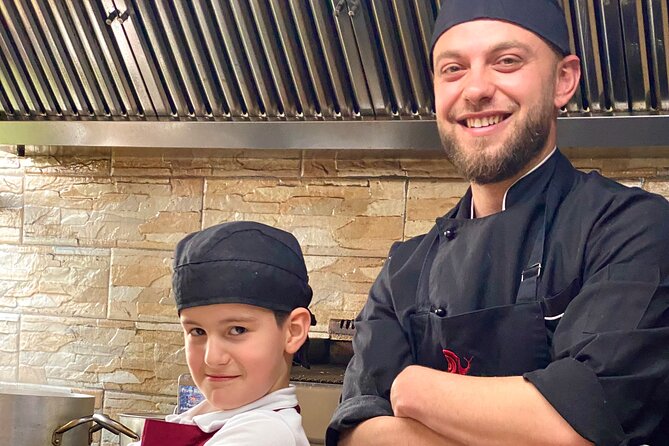
Hasude closes the meal. Its main ingredients are starch, butter, and walnuts, giving you a dessert that is modest in appearance but tied to traditional home preparation.
The sweet course is important because it rounds out the lesson. You are not only learning a starter and a main dish. You are seeing how a complete meal moves from savory food to dessert.
During the class, you also receive traditional appetizers and various drinks. Mountain spices and teas are part of the discussion, along with their use in local life. One point needs checking, though: a German-language account says wine and beer were charged separately even though drinks had appeared as included during booking.
I would ask in advance which drinks are covered. The supplied details clearly include various drinks, but they do not define every beverage or quantity. That small question can prevent an awkward bill at the end.
Eating what you have prepared
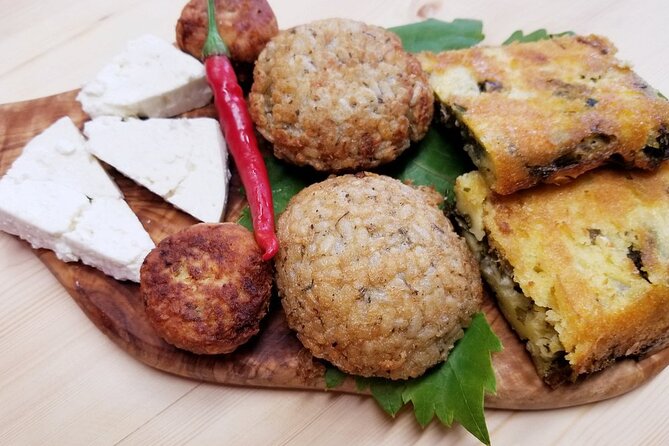
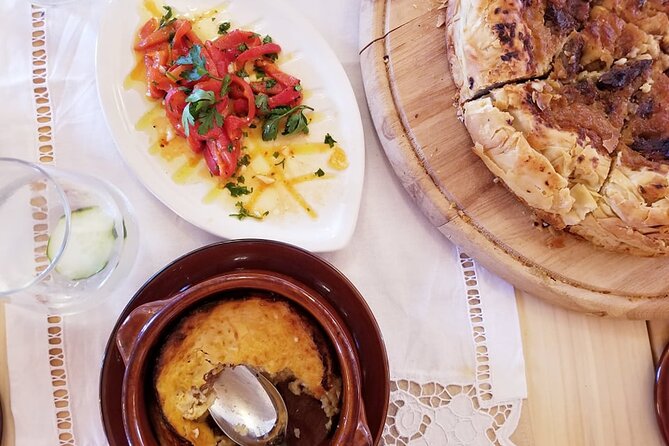
The best part of the format is the meal after the work. You sit down and eat the qifqi, pasta, lamb, and Hasude you have just prepared.
That changes the pace of the experience. Instead of leaving after a demonstration, you get a proper finish and a chance to compare your cooking with the intended result. It also gives you time to talk about family food traditions, local history, and folklore.
The setting is family operated, and the welcome is repeatedly described as warm and friendly. One participant had such a positive impression of the chef’s kindness that the human contact became as memorable as the recipes.
Keep your expectations realistic. This is a small local experience, not a staged culinary show. The kitchen may feel informal, instructions may be translated, and the timing may not be exact. For many people, that is part of its charm. For others, it may feel less polished than the price suggests.
What the two-hour duration really means
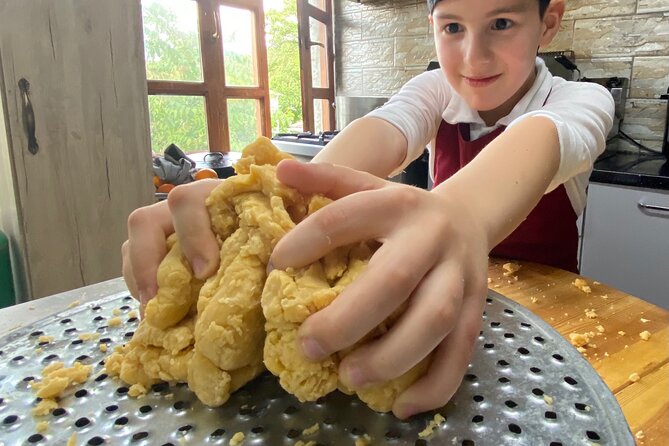
The official duration is about two hours, but actual accounts describe a class lasting roughly one hour in some cases. That difference is worth noting when planning your day.
The full advertised format includes preparation, drinks, appetizers, conversation, and the meal. If everything runs as planned, two hours gives the experience enough room to breathe. You can cook without hurrying, eat afterward, and hear about the recipes.
Yet the shorter accounts suggest that the cooking portion may be brief. One person prepared three dishes in about an hour, while another was told the activity had ended after making only the OSA pasta. The exact experience may depend on the booking details, the host’s schedule, and how clearly the menu has been communicated.
Before you arrive, confirm that your booking includes all three dishes: qifqi, OSA pasta with lamb, and Hasude. Also confirm whether the meal, drinks, and recipes are included. A quick message can protect you from a mismatch between the expected class and the actual session.
Is $54.19 a fair price?
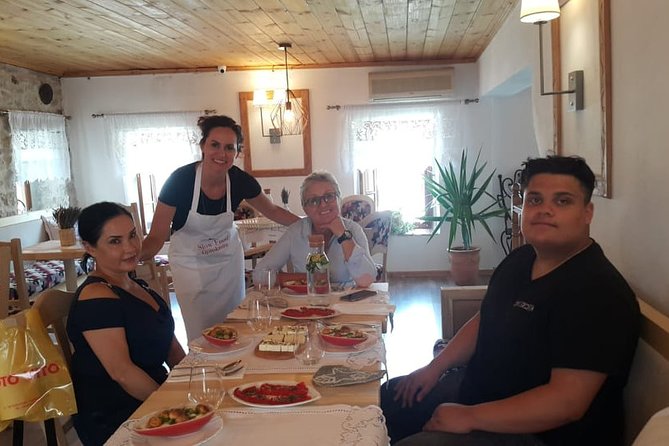
At $54.19 per person, this is not the cheapest meal you will find in Albania. Local restaurant food generally costs less than a private cooking lesson, and the price can feel high if the class lasts only an hour or if some drinks cost extra.
The value depends on what you want. You are paying for private instruction, a meal, local stories, a family recipe tradition, and the chance to prepare food yourself. You also receive written recipes and can take home what you cooked. For a private experience in Gjirokaster’s historic bazaar, that package may be worthwhile.
The price is harder to justify if you mainly want lunch. You could spend less at a restaurant and avoid the uncertainty around the meeting point and class length. You should book this for the activity and personal contact, not simply for the amount of food on the plate.
A private class has one clear advantage: your group does not share the lesson with strangers. You can ask questions, work at your own pace, and focus on the dishes that interest you. Families, couples, and small groups may find that privacy worth the added cost.
Who will enjoy this class most?
I would recommend it to curious eaters who want a direct connection with Gjirokaster’s food. It suits people who enjoy learning by doing and who do not mind a relaxed family setting.
It is also a good choice for anyone visiting the bazaar who wants an activity beyond walking and sightseeing. The class stays in the center of Gjirokaster, so it fits naturally into a day exploring the old town.
Families may appreciate the simple recipes and private format. Couples can treat it as a shared meal with a task attached. Solo participants can still join, though the private setup means the price may feel better suited to a small group.
I would be more cautious if you need exact timing, flawless English instruction, or a formal cooking-school structure. The class has received an overall rating of 4.5 from 12 reviews, with 92 percent recommending it, but the lower scores point to real issues with communication, payment records, and menu expectations.
Booking advice for a smoother visit
Contact the provider before you set out. Ask for the exact location, since the listed address may not lead you directly to the cooking venue. Confirm that the host has your reservation and that payment has been recorded.
Bring your booking confirmation and payment record. One participant had to show bank information because the host repeatedly asked for payment despite the booking being paid in advance. That is not an ideal start, but having proof can resolve the matter quickly.
Ask these three questions:
- Is the class expected to last one hour or two?
- Are all three dishes included?
- Which drinks are included, and which cost extra?
The class is offered in English, but expect some instructions to be visual or translated by a family member. A relaxed attitude will help. If you want to understand a step, ask for it to be shown again.
Free cancellation is available if you cancel at least 24 hours before the start time. Changes or cancellations inside that window are not refundable, and confirmation may take longer if you book within one day of the activity.
Should you book the Gjirokaster cooking class?
Book it if you want local food, personal contact, and a private hands-on lesson in the middle of the bazaar. The qifqi, OSA pasta with lamb, and Hasude provide a useful introduction to Gjirokaster cooking, and eating your own meal gives the class a satisfying finish.
I would book only after confirming the meeting point, menu, duration, payment, and drinks. If those details are settled, this can be one of the more personal ways to experience Gjirokaster. If you need a tightly scheduled, professionally translated class, choose with more caution.
FAQ
Where does the cooking class begin?
The stated meeting point is on Rruga Gjin Bshpata in Gjirokastër, Albania, in the medieval bazaar area. The actual venue has also been identified as Edua restaurant, so confirm the exact location before arrival.
How long does the cooking class last?
The listed duration is approximately two hours. Some participants experienced a cooking session closer to one hour, so confirm the expected timing when you book.
What dishes will I prepare?
The sample menu includes qifqi rice balls as a starter, traditional OSA pasta with lamb meat as the main course, and Hasude dessert made with starch, butter, and walnuts.
Do I eat the food I prepare?
Yes. The experience includes eating the meal you have just learned to prepare.
Is the class private?
Yes. Only your group participates in the activity.
Is the class offered in English?
English is the offered language. One account notes that a family member translated because the chef did not speak English, so some instruction may be demonstrated or translated.
Are drinks included?
The description mentions traditional appetizers and various drinks. One participant reported paying separately for wine and beer, so ask the host which beverages are included before attending.
Can I cancel for a full refund?
Yes, if you cancel at least 24 hours before the experience start time. Cancellations or changes made less than 24 hours in advance are not accepted for a refund.
Recently added around Albania
- Apollonia and Berat UNESCO tour from Tirana★ 5.0 · 3 reviews
- Berat 4×4 Off-Road and Vineyard Wine Tasting★ 5.0 · 3 reviews
- Llogara Caesar’s Path,Orikum Park & Marmiroi Church Guided Tour★ 5.0 · 3 reviews
- Vlora Airport Transfers – Via Transfer Albania★ 5.0 · 3 reviews
- Tirana’s Communist Past: A Tasting Tour with Traditional Lunch★ 5.0 · 3 reviews
- Cultural Tour in Tirana including House of Leaves★ 5.0 · 3 reviews
- Daily tour★ 4.5 · 3 reviews
- Apollonia and Ardenica Monastery – full day tour★ 4.5 · 3 reviews
Cooking Classes, compared.
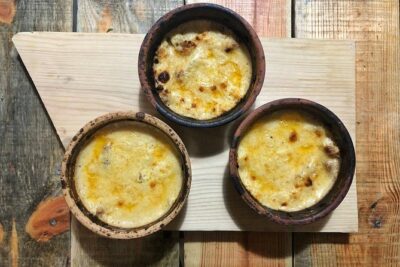
Cooking Classes and Traditional food tasting in Tirana
Read our review →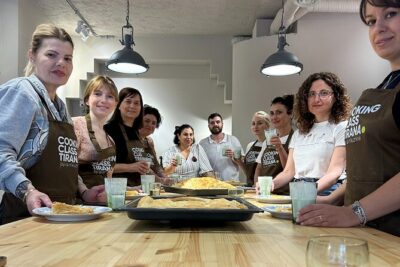
Traditional Albanian Cooking Class in Tirana with Raki Tasting
Read our review →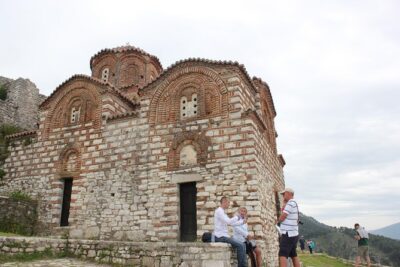
Berat Cooking Class- Traditional Albanian Cooking Class /By Vato
Read our review →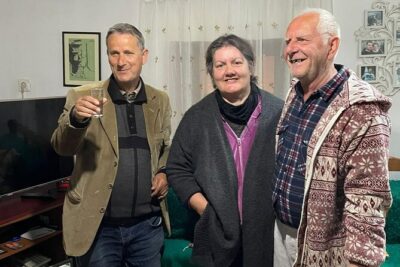
Savor Albanian Cuisine Cooking Class with Mama Nina Berat Castle
Read our review →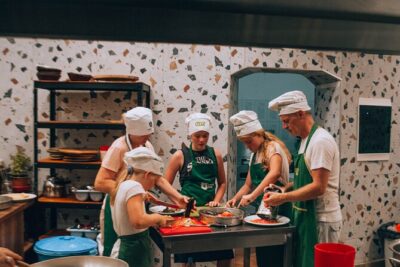
Farm-to-Table Cooking Class with Local Family by 1001 AlbAdv
Read our review →Browse the lists this tour appears in