
Reviewed · TOURS
Small Group Tour; The Balkans & Central Europe – Tirana to Vienna
History, food, and border crossings fill this journey. This 14-day route links Albania, Kosovo, Montenegro, Bosnia and Herzegovina, Serbia, Hungary, Slovakia, and Austria in one well-planned trip. I like the maximum group size of 10, which should make border crossings, city walks, and local questions easier to manage. I also like the mix of famous sights and less expected stops, such as Rahovec’s wine country, Subotica’s architecture, and the farm at Mrizi i Zanave.
The main drawback is the pace. You cover a lot of ground, often changing cities and countries in quick succession. At $4,876.33 per person, the price also demands a close look at what is included, especially since lunches, dinners, drinks, and personal spending are extra.
In This Review
- Five details that shape the journey
- Why this route works for a first Balkan trip
- Day 1: Kruja’s bazaar and Prizren’s hilltop view
- Day 2: Kosovo’s bazaars, monastery, and wine country
- Day 3: Farm-to-table Albania and Shkodra’s castle
- Day 4: Montenegro’s Adriatic icons
- Day 5: Mostar and the spring at Blagaj
- Day 6: Sarajevo, war memories, and the Latin Bridge
- Days 7 to 9: Serbia by river, fortress, and wine
- Days 10 to 13: Budapest, Győr, and Bratislava
- What the $4,876.33 price really covers
- Who should book this road journey?
- FAQ
- How long is the tour?
- How many people can join the tour?
- What accommodation is included?
- Are meals included?
- Is transportation included?
- Are entry fees included?
- Should you book it?
Five details that shape the journey
- Eight countries in 14 days: You move from Albania to Austria by road, with a wide sample of Balkan and Central European culture.
- A small group capped at 10 people: This is a useful size for a minibus-style trip and guided walks through compact old towns.
- Private transportation from Tirana to Vienna: Petrol, road taxes, tourist taxes, hotel pickup in Tirana, and hotel drop-off in Vienna are included.
- Three-star hotels with breakfast: The package includes accommodation and 14 breakfasts, based on double, twin, triple, or quadruple occupancy.
- UNESCO sites and living traditions: The route includes Kruja Castle, Dečani Monastery, Kotor, Mostar, Blagaj, Sarajevo, Buda Castle, and more.
Why this route works for a first Balkan trip
I like the route because it avoids treating the Balkans as one single culture. Albania feels different from Kosovo. Kosovo feels different from Bosnia. Serbia brings its own mix of Orthodox, Austro-Hungarian, and Ottoman influences. By the time you reach Budapest, Bratislava, and Vienna, you can better see how these regions connect, and how sharply they differ.
The journey also gives you a useful blend of city time and countryside. You walk through medieval bazaars, look over major rivers, visit vineyards, explore fortresses, and stop at a working farm. This keeps the trip from becoming a parade of churches and city squares.
Still, this is not a slow holiday. Several visits last only an hour. You will often get an introduction, a guided walk, and some free time before returning to the vehicle. If you prefer to spend three or four unhurried days in each city, this route will feel brisk.
Private transport is a major advantage here. Public transport across eight countries would require careful planning, multiple connections, and plenty of patience. Here, the tour leader handles the road network and border-to-border movement while you focus on the scenery and towns outside the window.
A few more ways to spend a day out of Tirana
- Hike Gamti Mountain with Bovilla lake view & canyon- From Tirana
★ 5.0 · 1,280 reviews - Berat city UNESCO tour, the Castle & Belshi lake- From Tirana
★ 5.0 · 804 reviews - Walking Tour of Tirana
★ 5.0 · 646 reviews
Day 1: Kruja’s bazaar and Prizren’s hilltop view
The opening day gives you two strong introductions. In Kruja, you visit the former center of Albanian resistance against Ottoman expansion in the 15th century. The city sits on rocky ground about 560 meters above sea level, so even the approach helps explain its defensive importance.
The Old Bazaar is the first real pleasure. Its narrow lanes and wooden houses hold handmade carpets, jewelry, and other Albanian crafts. You get about an hour here, enough to browse without turning the visit into a forced shopping stop.
Kruja Castle adds the historical weight. The castle dates to the 5th century AD, and the tour leader points out lesser-known paths once used to leave the fortress during sieges. That kind of detail is more useful than a quick photo from the main entrance.
After crossing into Kosovo, you reach Prizren. The town has a river through its old center, stone bridges, Ottoman-era buildings, and a reputation for metal filigree work. The Sinan Pasha Mosque is the main religious visit, with patterned decoration and strong color.
Allow for a climb to Prizren Fortress. The visit is short, but the panorama over the town is one of the day’s best rewards. You then have free time, which matters because Prizren is best enjoyed by wandering rather than rushing from one marked sight to another.
Day 2: Kosovo’s bazaars, monastery, and wine country
Gjakova brings another market-town experience. Its bazaar was destroyed and rebuilt several times after the Balkan wars, World War II, and the Kosovo War. The rebuilt market now offers local crafts, shops, and places to stop for a meal.
The Dečani Monastery gives the day a different tone. Its white exterior and 14th-century frescoes are the focus, and Orthodox monks still live there. The frescoes show both religious scenes and details of everyday life, offering a window into medieval Kosovo beyond military and political stories.
You then drive through Rahovec Valley, one of the region’s wine centers. Grapes have been grown here since Illyrian times, and vineyards cover the gentle hills at elevations between 350 and 520 meters. If your trip lines up with the annual September wine festival, the visit may have extra energy, but the route does not promise festival access.
The schedule gives each stop about an hour. That is enough for an introduction, though not enough for a long wine tasting or extensive monastery visit. I would treat this day as a sampler of Kosovo rather than a full exploration.
Day 3: Farm-to-table Albania and Shkodra’s castle
Mrizi i Zanave is one of the route’s most appealing stops because it connects food with local economic life. You tour the farm, hear how the family business created work for more than 400 people nearby, and see old communist buildings reused for storage.
The farm collects, prepares, and preserves regional organic products. You have time for a traditional lunch or to buy fresh goods, though lunch is not included in the tour price. This is a good place to plan some spending because the food is part of the point.
In Shkodra, you visit Rozafa Castle. The oldest wall dates to the first millennium BCE, and the site is linked to the ancient Illyrian king Gentius. From the castle, you can see the lake and the rivers flowing toward the Adriatic.
Shkodra’s Venetian influence gives the city a different look from the towns farther south. If you visit in February, the carnival may be taking place, including locally made Venetian masks. The city visit is short, so the castle view will likely make the strongest impression.
A completely different kind of day out of Tirana:
- Kruja castle, the old Bazaar & Sarisalltik- Departure from Tirana
★ 5.0 · 592 reviews - Albanian Night Show: Traditional Music, Dance & Dinner in Tirana
★ 5.0 · 431 reviews - From Tirana- Hiking Tour to Bovilla Lake & Gamti Mountain
★ 5.0 · 358 reviews - Shala river & Komani lake -Day trip departure from Tirana/Shkodra
★ 5.0 · 309 reviews
Day 4: Montenegro’s Adriatic icons
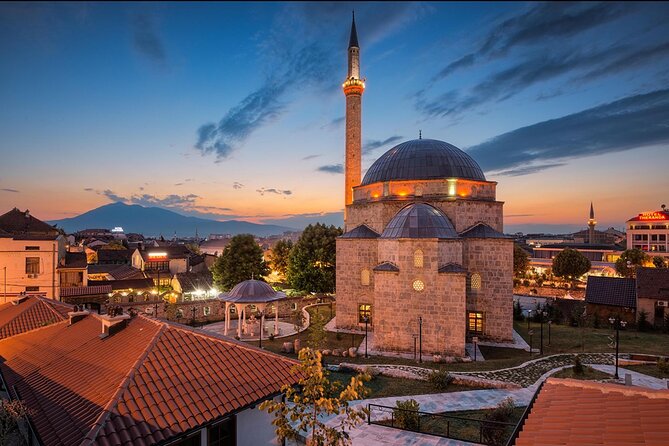
The stop at Sveti Stefan is brief and purely scenic. The former fishing village now operates as an exclusive residential resort, and the island cannot be visited. You stop at a viewpoint, take in the unusual setting, and continue.
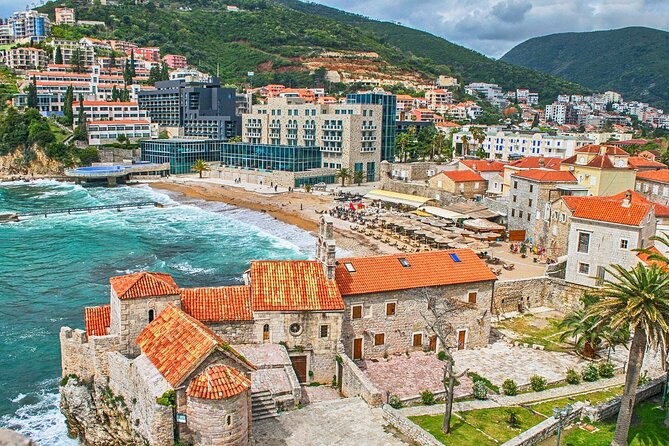
Budva combines a modern resort area with a compact old town. The guided visit focuses on medieval buildings and churches, including St. Ivan and St. Mary. You will see why Budva attracts beach visitors, but this itinerary gives more attention to its older stone center.
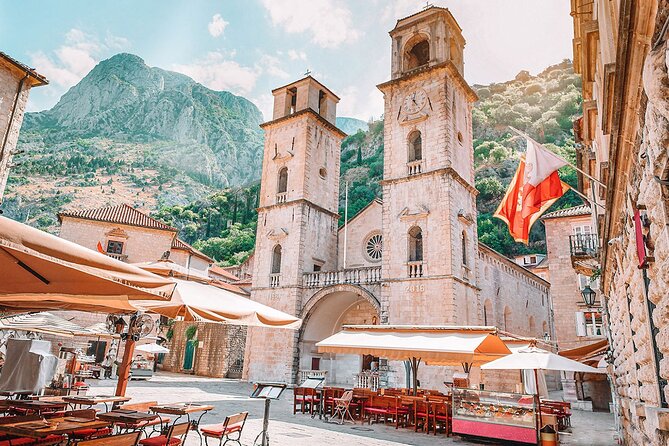
Kotor is the day’s major prize. The UNESCO-listed old town is a maze of narrow cobbled streets, originally designed to confuse intruders. Saint Luke’s Church is included, and the walk introduces the city’s layered religious and civic past.
The schedule allows only about an hour at each place. That is enough to see the core, but Kotor is a location where you may wish for more time. Comfortable shoes will help, since the old town is paved and walking-based.
Day 5: Mostar and the spring at Blagaj
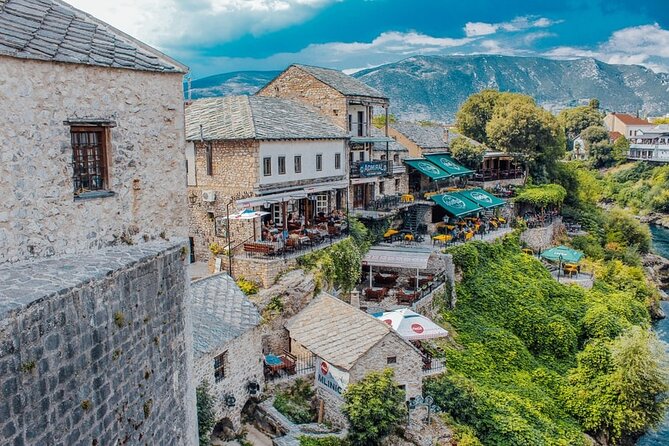
Crossing into Bosnia and Herzegovina, you reach Mostar and its famous Old Bridge, Stari Most. Built in the 16th century in an Islamic architectural style, it is the visual center of the city and part of a UNESCO World Heritage site.
The surrounding old town deserves as much attention as the bridge. You walk through the Old Bazaar, past cobbled lanes, mosques, and stones marked with Don’t Forget. These reminders give the city a serious historical presence without turning the visit into a museum exercise.
Blagaj adds water, cliffs, and religious heritage. The Ottoman-era tekija sits beside the Buna River spring, with blue water at the foot of a cliff. The stop offers a calmer change from Mostar’s busy old center.
You also receive free time in Mostar. Use it for a meal, a second look at the bridge, or a slower walk through the market streets. The tour includes the listed entry tickets, but meals remain your responsibility.
Day 6: Sarajevo, war memories, and the Latin Bridge
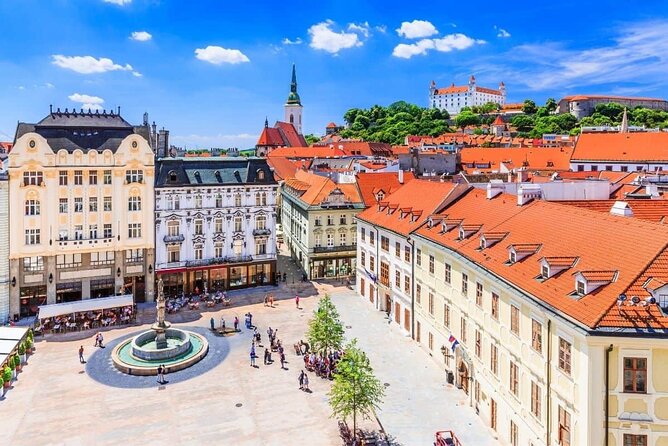
Sarajevo is one of the most rewarding cities on the route because several eras sit close together. The walk covers the Ottoman and Austro-Hungarian parts of town, along with mosques, churches, synagogues, markets, and bazaars.
You also see bullet holes and cannon marks left by the Yugoslav War. These are not distant history behind glass. They remain part of the city’s streets, so the visit can feel more personal and sobering than a standard sightseeing walk.
At the Latin Bridge, the guide explains the assassination that helped trigger World War I. The bridge once connected the Miljacka River’s right bank with the Catholic quarter known in Ottoman times as Latinluk.
Sarajevo is also a good food stop. Meat dishes and desserts are local specialties, and you have free time to eat in the old town. The walk includes uneven ground and war-damaged areas, so plan on steady footwear and a little care.
Days 7 to 9: Serbia by river, fortress, and wine
The stop in Zvornik breaks up the drive toward Belgrade. It sits along the Drina River and gives you time for lunch or a short walk through its streets. It is not a major sightseeing block, but it makes the long transfer more manageable.
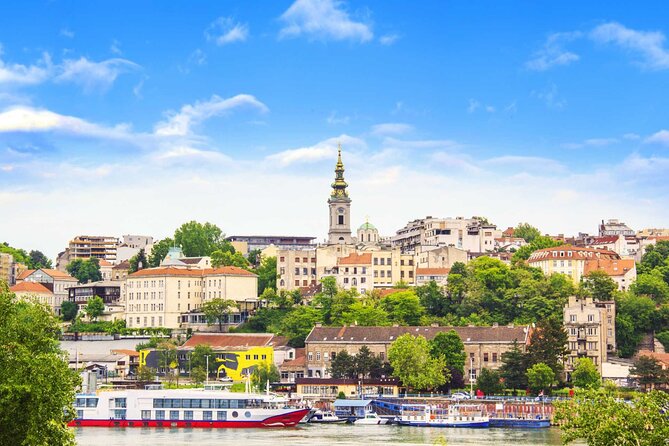
In Belgrade, you visit the fortress and Kalemegdan Park at the meeting point of the Sava and Danube rivers. The Pobednik monument provides a strong city view, while the park offers green paths before the walk continues along Knez Mihailova to Republic Square.
Sremski Karlovci shifts the focus to Serbian culture and wine. Its Baroque center feels compact and formal, with buildings linked to the town’s role as a Serbian cultural center in the 18th century. The Four Lions Fountain carries a local legend: drink from it and you will return and marry there.
You have time to sample regional wine specialties and look over the vineyards. Wine tasting is not clearly included, so budget separately.
Novi Sad receives a longer visit, about three hours. Its old center shows both Austro-Hungarian and Ottoman influence, while Petrovaradin Fortress rises above the Danube like a giant defensive platform. The pedestrian streets of Zmaj Jovina and Dunavska are good places to use your free time.
Subotica is another highlight. Its City Hall, fountains, park, and broad square anchor a center known for colorful architecture and Austro-Hungarian-era design. The city has a relaxed pace, local food, and wine, making it a welcome contrast to the larger capitals.
Days 10 to 13: Budapest, Győr, and Bratislava
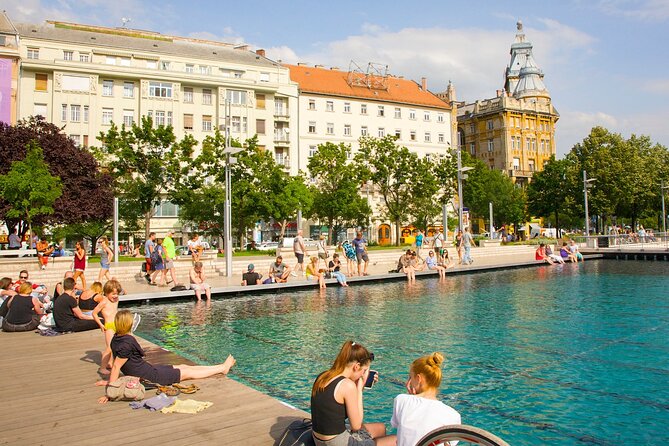
After Subotica, you cross into Hungary and reach Budapest. The next day covers the city’s major sights, including Saint Stephen’s Basilica, the Opera, Parliament, Heroes’ Square, and Fisherman’s Bastion.
Buda Castle is included, with time to cross the bridges and walk the Baroque-style streets. The route explains the divide between Buda and Pest, giving you a basic map of the city before a free evening.
That evening matters. Budapest is especially attractive after dark, and you can set your own pace instead of following another group walk. Since the tour only offers a short guided introduction on the main city visit, use the free time for a meal or a second look at the Danube.
Győr is a smaller, easier stop. Its Town Hall has a 59-meter tower with a green top, while the Cathedral of the Virgin Mary dates to the 11th century. The Győr Synagogue is also included in the walk, recognizable by its large gray dome.
Baross Gábor Way is the practical food and café stop, with shops, bars, and restaurants. Blueberry beer is mentioned as a local specialty, but it is an extra purchase.
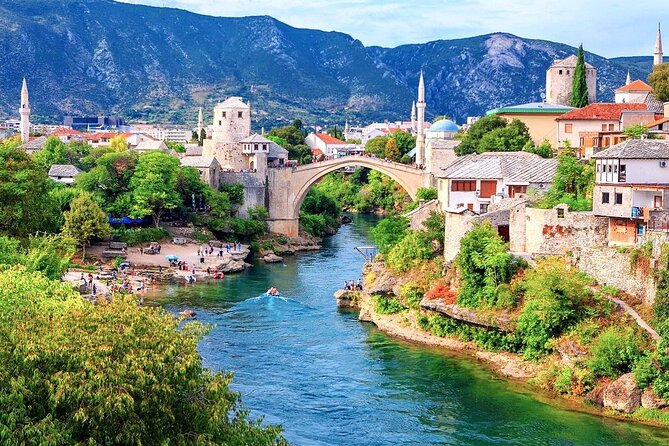
In Bratislava, you visit the Old Town Hall, Michael’s Gate, and Bratislava Castle. Michael’s Gate is the only preserved gate from the medieval fortifications, while the castle sits above the Danube and gives you a broad view over the city.
You also get free time for Bratislava’s café culture. The hill to the castle and the cobbles in the old center mean this is another day for comfortable shoes.
What the $4,876.33 price really covers
The price includes 3-star hotel accommodation, breakfast, private transport, a professional tour leader, listed entry tickets, tourist taxes, road taxes, petrol, hotel pickup in Tirana, and hotel drop-off in Vienna. The group limit of 10 adds real value because the route includes many border crossings and short guided visits.
The price is based on shared double, twin, triple, or quadruple rooms. Solo visitors should confirm the room arrangement and any added cost before booking. You must also pay for lunches, dinners, drinks, snacks, souvenirs, and personal expenses.
For a two-week, eight-country trip, the package can make sense if you value convenience and guided context. It is less attractive if you want luxury hotels, long independent stays, or a fully inclusive food budget.
The company has also arranged tailored trips for some customers, and guides named Sokol and Mandi received especially warm praise for making history-focused visits engaging. That suggests the human side of the tour may be one of its strongest features, though your assigned tour leader is not specified in advance.
Who should book this road journey?
I would choose this tour if you want one organized route through a part of Europe that can be complicated to plan independently. It suits people who enjoy old towns, fortresses, food, wine, religious sites, and long road days.
It also fits history-minded visitors. The route connects Ottoman, Byzantine, Austro-Hungarian, Yugoslav, and modern Balkan stories without focusing on only one period.
I would hesitate if you dislike early starts, repeated hotel changes, uneven streets, or limited time at major sights. Most travelers can participate, but the walking conditions and pace still deserve honest consideration.
The tour begins at 9:00 a.m. in Tirana, and the final day ends with hotel drop-off in Vienna. Travel insurance is your responsibility. The booking is non-refundable and cannot be changed, so do not reserve until your dates and plans are firm.
FAQ
How long is the tour?
The tour lasts approximately 14 days, beginning in Tirana and ending with hotel drop-off in Vienna.
How many people can join the tour?
The maximum group size is 10 travelers.
What accommodation is included?
The package includes 3-star hotel accommodation with breakfast. Prices are calculated for double, twin, triple, or quadruple room occupancy.
Are meals included?
Breakfast is included for the overnights. Lunches, dinners, drinks, and snacks are not included.
Is transportation included?
Yes. Private transportation is included, along with petrol, road taxes, tourist taxes, hotel pickup in Tirana, and hotel drop-off in Vienna.
Are entry fees included?
Entry tickets for the sites listed as included are covered. Personal spending and anything not specifically mentioned remain extra.
Should you book it?
Book this route if your priority is seeing a large part of the Balkans and Central Europe without arranging every hotel, transfer, and border crossing yourself. The strongest reasons are the small group, private transport, excellent variety, and the chance to visit places such as Prizren, Blagaj, Sremski Karlovci, and Subotica alongside major capitals.
Before paying, accept the tradeoff: you gain range, but you give up leisure. If that sounds like a fair bargain, this is a practical and culturally full way to travel from Tirana to Vienna.
Recently added around Tirana
- Apollonia and Berat UNESCO tour from Tirana★ 5.0 · 3 reviews
- Berat 4×4 Off-Road and Vineyard Wine Tasting★ 5.0 · 3 reviews
- Tirana’s Communist Past: A Tasting Tour with Traditional Lunch★ 5.0 · 3 reviews
- Cultural Tour in Tirana including House of Leaves★ 5.0 · 3 reviews
- Apollonia and Ardenica Monastery – full day tour★ 4.5 · 3 reviews
- 3 Hour Pub Crawl Tour in Tirana★ 3.5 · 3 reviews
- Tirana to Ksamil and Saranda Bus★ 4.5 · 3 reviews
- SOTIRA WATERFALL HIKING/TREKKING from Berat by 1001 Albanian Adventures★ 5.0 · 3 reviews
Tours, compared.
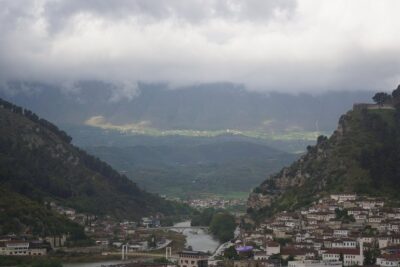
Berat city UNESCO tour, the Castle & Belshi lake- From Tirana
Read our review →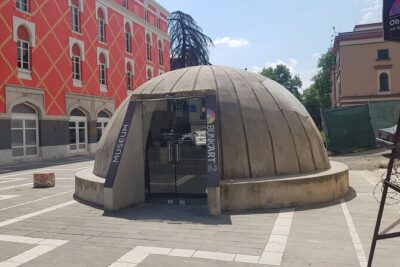
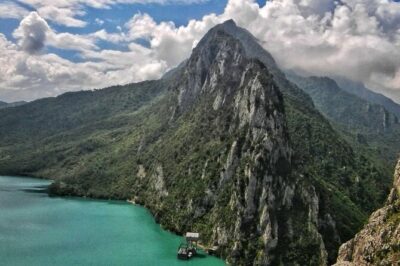
Berat Tour Osumi Canyons Exploration Lunch Transfer
Read our review →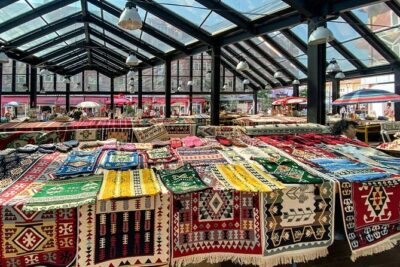
Osumi Canyons and Bogova Waterfall from Berat – Tour by 1001 Albanian Adventures
Read our review →
Best of Local Food & City Tour of Tirana – Food & Drinks Included
Read our review →
Browse the lists this tour appears in